

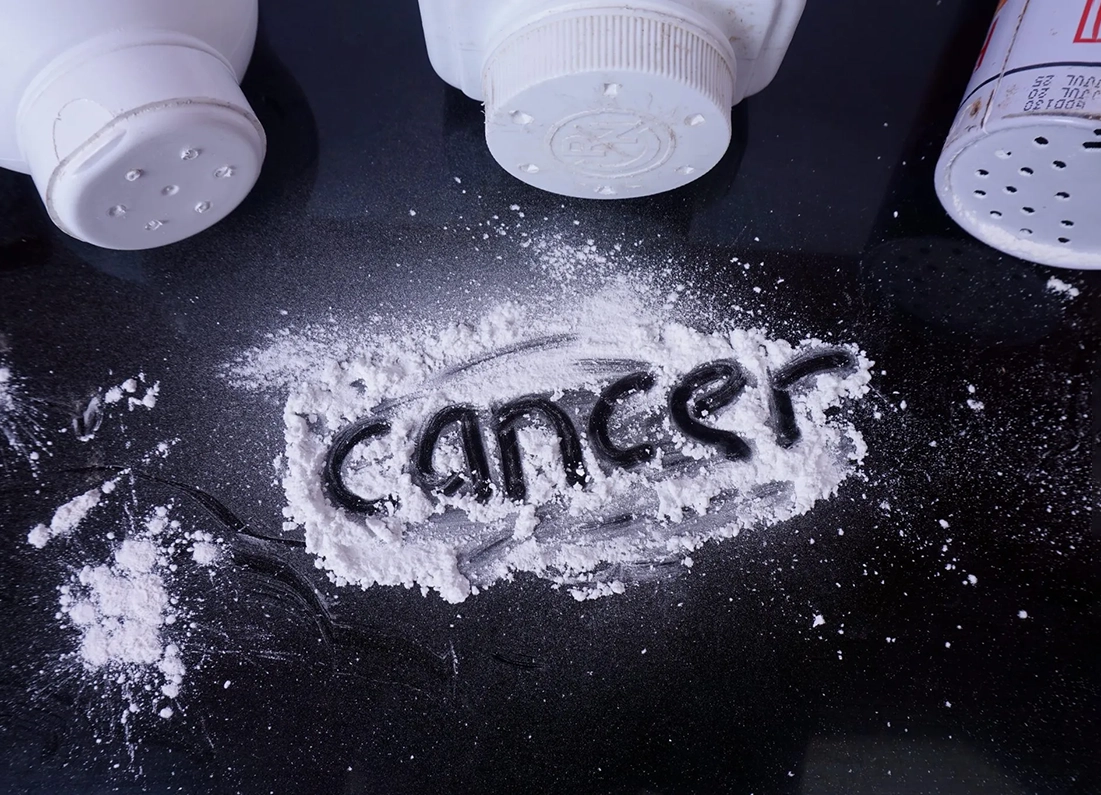
After multiple failed attempts by Johnson & Johnson to move its talc litigation into bankruptcy, ovarian cancer claims are once again advancing in courts across the country.
LOS ANGELES – Wisner Baum, a nationally recognized plaintiffs’ law firm, continues to represent women who allege that long-term use of Johnson’s Baby Powder and other talc-based products caused ovarian cancer due to asbestos contamination, talc’s inflammatory properties, and inadequate warnings. The litigation, which is now proceeding in multiple courts across the nation, continues after courts rejected Johnson & Johnson’s (J&J) efforts to shield itself from liability through corporate restructuring.
A recent California case provides more proof that talcum powder litigation is advancing. On December 12, a California jury awarded $40 million to two women who said Johnson & Johnson’s baby powder was to blame for their ovarian cancer, according to Reuters, which reported that the jury in Los Angeles Superior Court awarded $18 million to Monica Kent and $22 million to Deborah Schultz and her husband after finding that Johnson & Johnson knew for years its talc-based products were dangerous but failed to warn consumers.
The moment is significant not only for plaintiffs, but for consumers and regulators, as scientific evidence, including NIH-supported research, has continued to strengthen the association between talc use and ovarian cancer. The convergence of courtroom scrutiny and scientific clarity has renewed focus on what plaintiffs allege was decades of concealment about product safety.
“The corporate playbook to delay and deny accountability by hiding assets in a sham bankruptcy only goes so far,” said Ari Friedman, partner at Wisner Baum. “Attorneys and courts alike have become increasingly adept at recognizing these maneuvers for what they are: efforts to avoid responsibility rather than deal with the harm their products caused.”
A Longstanding Public Health Risk, Finally Back in the Spotlight
For years, public awareness of the link between talcum powder use and ovarian cancer lagged behind the science. Yet internal company records and sworn testimony now before the courts detail what plaintiffs allege Johnson & Johnson knew for decades: that its talc products were vulnerable to asbestos contamination and posed serious health risks when used as marketed.
Beginning in the 1970s, studies raised concerns about the migration of talc particles through the reproductive tract, and internal testing repeatedly identified asbestos and fibrous talc in cosmetic products. Despite this, plaintiffs allege the products continued to be advertised as pure, gentle, and safe for daily feminine hygiene use.
“Victims were never told the full story,” Friedman said. “What’s become clear through litigation is that J&J knew about asbestos contamination risks and chose not to share that information with regulators or the public.”
Recent jury verdicts, including major awards in mesothelioma cases, underscore that juries are increasingly receptive to both the science and the evidence of corporate misconduct, signaling a shift in how these cases are evaluated.
“This litigation sends a clear message,” Friedman said. “Large corporations cannot delay, distract, or restructure their way out of responsibility when the evidence shows real harm. Courts and juries are prepared to look at the facts—and that changes everything.”